Traversing Granite Kopjes & River Plains
A safari journey in Jawai is distinctly different from the forested national parks of India.
Visitors traverse open sandy riverbeds, pastoral valleys, and steep granite hillsides known as kopjes. Because the vegetation consists primarily of hardy thorny shrubs and acacia rather than dense canopy forests, travelers enjoy expansive visibility across the rugged horizon.
The journey focuses on patient tracking and respectful observation. Knowledgeable local trackers scan the boulders for tell-tale silhouettes of leopards resting in natural cave mouths or warming themselves under the gentle winter sun.

The Rhythm of The Wild
Wildlife activity peaks during the transitional hours when the sun meets the horizon and the rocks cool down.
Morning Safari Perspective
As the first light illuminates the pink granite peaks of the Aravalli range, leopards often emerge from their overnight shelter caves to absorb the morning warmth atop rock ledges before retreating from mid-day heat.
Morning drives are also ideal for birdwatching along the shores of Jawai Bandh, where migratory flocks feed in the calm morning waters.
Late Afternoon & Sunset Drive
During late afternoon, as shadows stretch across the rocky plains, the landscape takes on rich golden and amber tones. Leopards often become active, stretching and scanning their hunting grounds.
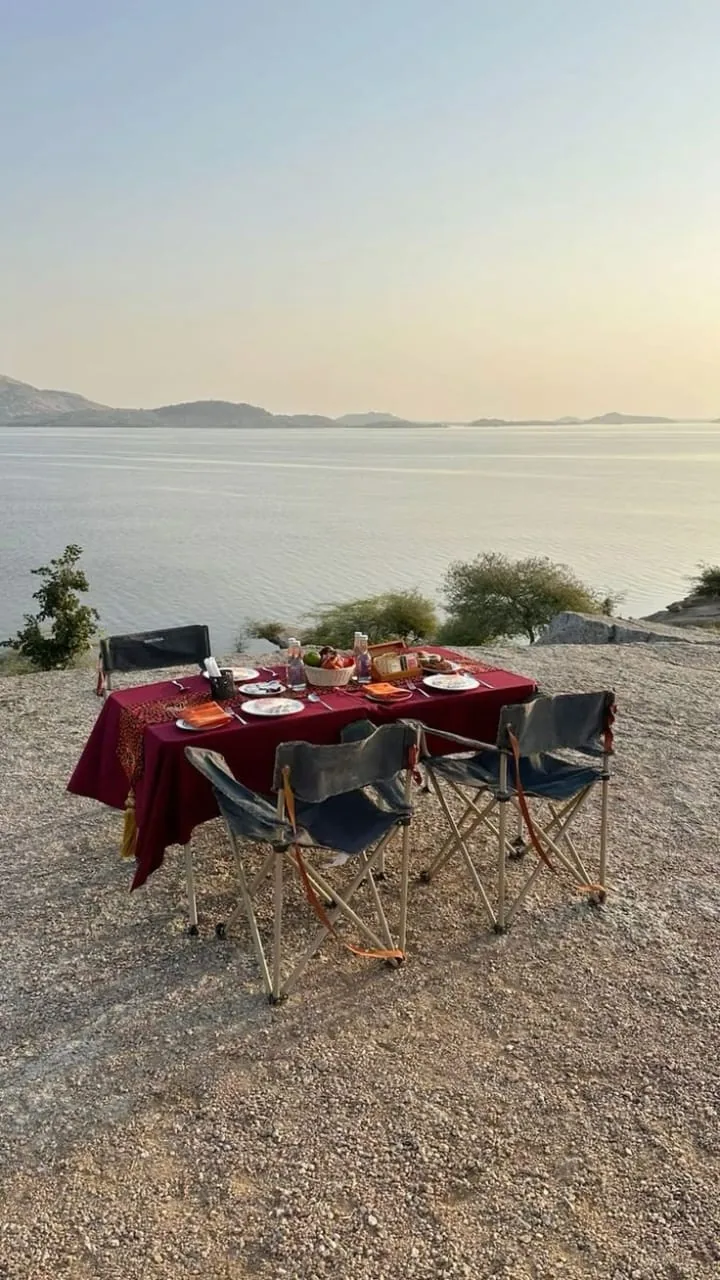
The sunset over Jawai Bandh dam offers panoramic vistas of water, sky, and granite hill silhouettes that wildlife photographers prize.
Wildlife of The Jawai Sanctuary
While Jawai is famed for its high density of leopards, the region's diverse micro-habitats support an abundance of wildlife species.

Indian Leopard
Masters of stealth, adapted to navigating steep granite boulders with effortless balance.

Marsh Mugger
Large freshwater crocodiles basking along the sandy banks and shallows of Jawai Bandh.

Green Bee-Eater
Vibrant resident birds commonly spotted perching on acacia branches near watering holes.

Palm Squirrel
Active tree squirrels darting amongst ancient granite cracks and thorny desert trees.
Visitors may also encounter striped hyenas, jungle cats, nilgai (blue bull antelope), Indian foxes, chinkaras, and over 100 species of resident and migratory waterbirds.
Frequently Asked Questions
Essential guidance for travelers planning a wildlife and leopard safari in Jawai Bandh, Rajasthan.
Enquire About Safari Arrangements
Contact our coordinator with your preferred travel dates and group details to enquire about local safari arrangements in Jawai Bandh.